Our region offers a safe, pleasant lifestyle and warm, welcoming people
We need pragmatism, not hypocrisy
Demographic and social challenges are among the most pressing and thought-provoking issues in our region. Hungary is no exception, but at least the government is constantly introducing new measures that can positively influence the trend, Liliana Śmiech, Director General for International Affairs at the National University of Public Service, told Demokrata.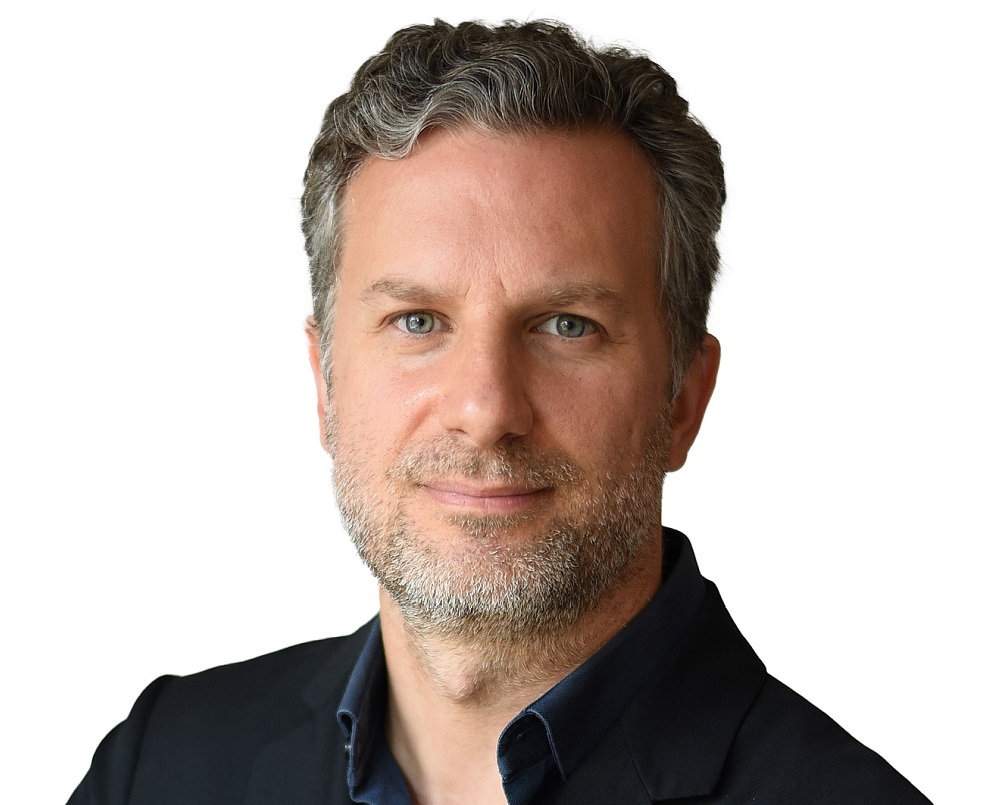
Interview by David Bencsik
Some of the most pressing and thought-provoking issues in our region, relevant and critical aspect of future development are the demographic and social challenges. Hungary is no exception, we are also facing challenges, but at least our government is constantly initiating potential new measures that can positively influence the trend. What about Poland? The Polish Law and Justice Party was known for its pro-family policies. How secure is the future of the Polish nation?
Poland is not the only country facing demographic challenges, this is the problem of all developed economies, if you look at birth rates, Poland is unfortunately a leader on the list at the bottom (Poland 1.29 live birth/woman). The PIS introduced the first ever family friendly policies, social transfers. They introduced the 500+ policy, then the 800+ programs. Families received extra money (every month until the child reaches 18 years) for the second child, later the first child was also supported. 800+ was the increased amount. This money was to be used to assist families in partially covering the costs associated with raising a child, including childcare and meeting the child’s everyday needs. The program didn’t actually increase the birth rate, but it had other benefits, like reducing child poverty. It was one of the flagship programs of PiS government. The new liberal Tusk government did not abandon the program, as they realized that this is crucial for the society. At the same time, no programmes have been introduced to stimulate an increase in child birth rates. Year by year we are shrinking as a society.

Doesn’t the influx of large masses from Ukraine improve your situation? It’s easier for them to adapt to your language. Do you include them in the calculation of your future society?
Integrating into Polish society may be relatively easier for Ukrainian refugees due to the similarities in language, culture and geographical proximity. Before the war, thousands of Ukrainian men usually worked on building sites in Poland; after the war, they were replaced by women, including women with children. Uniquely, many Polish families took in Ukrainian refugees, often hosting them for long months. However, we are also confronted with significant challenges, such as unresolved historical issues between Poland and Ukraine. Initially, these matters were not prominently addressed by our diplomatic efforts, particularly at the outset of the war. Over time, there has been increased attention, and the current Polish government has taken an even more assertive stance on these unresolved historical disputes. These issues present substantial challenges, especially for older generations, in a society that is increasingly aging. While the influx of several million Ukrainians brings new dynamics, it remains uncertain whether their presence will address the broader demographic challenges we face as a nation.
Will they stay? Does Polish society want them to stay?
Certainly, if individuals integrate successfully and demonstrate respect for our laws, language, and history, there is no reason why they should not be welcomed. However, challenges have arisen, particularly in the education sector. Many children who arrived in Poland as refugees ceased attending Polish schools, opting instead to fulfill their educational requirements through Ukrainian online schools, which were difficult to monitor or verify.
Efforts were made to encourage these children to join the Polish education system, as integration requires immersion in our schools and learning about our history and national identity. Recognizing the importance of this, as of September 2024, attendance at Polish schools became mandatory for Ukrainian children. If the new government didn’t push them into the Polish education system, integration would be almost impossible.

I was born in ’78, so I still remember life behind the Iron Curtain, the tiny Polish Fiats and the goods offered by your traveling compatriots. To them, Hungary probably seemed like the West, and to us, Yugoslavia seemed like the West, long envied for its welfare system, work-life balance, and complete lack of the existential fear that plagued our societies. But if you look at the West now, they are all suffering from shrinking societies. Was it a false perception? The more developed, the fewer children born? What does a declining birth rate have to do with the level of development, the cohesion of a nation, or the heterogeneity, the homogeneity of a nation?
I was born after you, so I never developed the East-West complex. I have always had a deep appreciation for the region where I was born. When I observe the current standard of living in Hungary or Poland compared to countries like France or Germany, I believe we have much to be proud of. Our region offers a safe environment, a pleasant lifestyle, and warm, welcoming people. Life here remains relatively affordable compared to many Western countries. Overall, there is little to complain about. Determining whether heterogeneous or homogeneous societies face greater challenges is complex. For example, if we consider birth rates, France (1.79 live births per woman in 2022, Eurostat) is among the highest in Europe, but its migration policy and open societal model have created significant challenges. Conversely, Romania (1.71 live births per woman in 2022, Eurostat) is less open to immigration and, even if it were, it might not attract as many migrants. This makes it difficult to draw clear conclusions. Western Europe, however, faces unique cultural challenges. Historically, marriage often served economic purposes, with women relying on men for financial stability. Today, there has been a cultural shift, particularly in the West, where an increasing number of women embrace independence, often seeing no need for marriage or children. The Western narrative increasingly promotes the idea that life without children is more liberating, offering the freedom to travel and pursue personal ambitions. This reflects a significant cultural shift away from traditional values, introducing new societal dynamics and challenges.
The so-called DINK society: double income, no kids.
Exactly. A hedonistic lifestyle is increasingly being promoted, which poses a significant challenge. If individuals prioritize this way of life, it naturally raises the question: why would they choose to have children?
Is it also about the lack of morality?
The focus has shifted towards consumption and simply having a good time. It is to promote individualism. It is also a matter of building mutual reminiscences between men and women.
Is there a way to bring back the classical values in our modern society?
I find it very difficult, but there are countries where classical family values are very present, like Poland and Hungary.

For us Hungarians, Poland is the role model when it comes to living a modest, Christian conservative life.
For us, this sense of belonging and support is embodied in Hungary. Like Poland, Hungary places significant emphasis on celebrating and supporting families. However, I have felt this pro-family sentiment even more strongly here. Upon moving to Hungary, I observed a remarkable effort to introduce policies that encourage families and younger generations to embrace parenthood, making the idea of having children both appealing and valued. In contrast, Western media and many Western countries often fail to promote such a positive image of family life and parenthood. Canada, under the leadership of Justin Trudeau, serves as a clear example of what not to emulate. Trudeau’s government has pursued a „woke” progressive agenda that has largely proven to be a failure. His administration has not only faced challenges with this approach but has also struggled with broader issues, including a declining economic situation and housing prices that were significantly higher than in the United States. There are signs of a shift, however. Leaders like President Trump and Elon Musk have been outspoken critics of the progressive woke agenda, challenging its narrative. Trudeau’s administration may be one of the first casualties of this cultural pushback. Perhaps this changing environment will embolden citizens to openly discuss topics that were once avoided—such as family values, national identity, and patriotism—and reinvigorate meaningful debates around these essential themes.
With your own background, how do you think our societies could have higher birth rates and why would our young people choose family and children over hedonism? What would you change in today’s European societies?
If we knew, we wouldn’t be facing such challenges. However, there are certain measures that countries can and should adopt, with Hungary and Poland offering valuable examples. Hungary, in particular, has implemented innovative solutions to address these issues. Encouraging women to have children must be accompanied by tangible support measures. For instance, access to affordable and conveniently located kindergartens near homes or workplaces is essential. Additionally, women should be supported in re-entering the job market, as not all families can rely on a single income. At a minimum, childcare facilities should be available where families live or work, making it feasible for parents to balance their responsibilities. Housing policies also play a crucial role. Special initiatives, such as those in Hungary, that enable young couples to afford their first home are essential. Moreover, reducing housing costs and promoting equitable development are necessary to create more egalitarian societies—not just in urban centers but also in rural areas. This is an area where conservative governments often excel. For example, Poland’s conservative government has restored dignity to rural communities, ensuring that development efforts are not exclusively focused on major cities. Similarly, in Hungary, addressing the needs of rural areas is integral to national progress. While it may not be possible to resolve the demographic crisis overnight, implementing such measures can undoubtedly mitigate its consequences and slow the negative trend. We must avoid the fate of countries like South Korea (0.78 live birth / woman).
What about families with three or more children? That’s the family size we all want to see more of in our societies, but are we able to give them what they need? How can a mother of four, for example, return to the labor market? Are there really employers willing to take the risk of hiring a mother of four and accept that she will often leave work early to pick up a sick child or stay home with one or more children for an indefinite number of days?
In fact, being a mother of four or more children can often feel like a second, if not primary, full-time job. It is often the case that young women may choose not to have children, and no policy framework alone can alter this decision. However, for women who do wish to have children, it is essential to create conditions that fully support their choice. This approach proves to be effective in fostering a balanced and supportive environment. The challenges faced by mothers with large families are significant, and it is essential that we provide the necessary support to prevent them from becoming overwhelmed. Rather than leaving mothers to shoulder this burden alone, we should encourage and assist them. One potential solution could involve promoting flexible work arrangements, such as remote work, to help mothers balance their responsibilities. Additionally, introducing financial support for these mothers, such as a state-funded „mother’s salary,” could allow them to stay home and care for their children without financial strain. While this may be a controversial issue, particularly for liberal governments, such measures should be seriously considered in the context of a demographic crisis. Such support is not only a matter of addressing immediate needs but also a long-term investment in the future of society.

What about the elderly who are still in perfect physical and mental health and would even be willing to continue working, but have to leave their jobs when they reach retirement age?
I am fully aware that by the time I reach retirement age, relying on a state pension may not be an option. Demographic trends indicate that by 2060, 50% of Polish society will be over the age of 50. Given these projections, it is highly likely that I will need to work for the majority of my life, potentially until old age, and I have come to terms with this reality. Currently, many people choose to retire as soon as they become eligible, simply because they no longer wish to work. However, as the demographic and economic pressures on pension systems intensify, it will become essential to encourage individuals to remain in the workforce longer. Without such changes, sustaining pension payouts for an aging population will be increasingly untenable. However, look what happened in France when they tried to raise the retirement age from 62 to 64. It sparked a series of nationwide protests because people didn’t want to work longer. What we should also do somehow is to make people more aware of the situation that the system can’t stay as it is right now because we have an aging population and we should rather adopt the Japanese or Korean system where people have to work longer and if you don’t have a physically demanding job you might be able to continue working. I would also recommend implementing flexible working arrangements, such as part-time positions instead of strictly full-time roles. This approach can help address gaps in the labor market more effectively by accommodating a wider range of individuals with varying availability and needs. Those who want to get a pension at a certain time will have to work longer.
What do you think of the Chinese model? In China, elderly care is part of the formal legal structure. The Law on the Rights and Protection of the Elderly is one of the main legal frameworks that defines the rights and responsibilities of the elderly. The law emphasizes the responsibility of children and requires adult children to support and regularly visit their elderly parents. Adult children are legally obligated to provide for the material and emotional well-being of their aging parents. Failure to provide such support has legal consequences.
It is our duty as children to care for our parents when they are no longer able to work or care for themselves, and this responsibility should naturally fall to the family. Perhaps I feel this way because of the values deeply rooted in our region, but I genuinely believe it is our moral obligation, and I would take pride in supporting my parents when the time comes. That said, I am not convinced that formalizing this duty in a constitution is necessary, particularly in our region where these values are inherently understood and practiced. We don’t need laws or signed documents to compel us to fulfill this responsibility—it’s ingrained in our culture. Moreover, legal mandates may not address the complexities of individual circumstances, as there will inevitably be cases where children are either unwilling or unable to support their parents. Writing it into law, therefore, may not provide a practical or comprehensive solution.
Shouldn’t our societies be prepared to step in at some point in the future to support our families physically and financially?
I think we will have to. According to Eurostat forecasts, Poland will have only 27.7 million citizens in 2100, around 10 million less than today. 2100 may sound like a big number, but it’s not that far away. I think sooner or later there has to be a message to let people know that in the future the systems may not work as they do now and maybe we should be concerned about our situation. Children have a responsibility to support their parents, as it is a natural continuation of the care and support they themselves received from their parents in their early years. However, it is important to stress that some people do not and will not have children of their own. These people will have to be taken care of somehow by the state.
Which part of Europe is most likely to be ready to take self-help initiatives to support their elderly?
I don’t have the specific data to answer this definitively, but I’m confident it must be our Central European region. Here, the family remains the most important social unit. In contrast, if you look at Western Europe or even observe personal relationships there, the family bond often doesn’t seem as strong. It’s not as common—or even considered “cool”—to prioritize family connections, spend time with parents, or value traditions like attending church. Our region, however, is fundamentally different from the Western world in this respect.
The Frenchman Emmanuel Todd, in his book La Défaite de l’Occident (The Defeat of the West), talks about the West and its inactive or zombie Christian societies. Todd uses this term to describe Western societies that culturally identify with Christianity and still remember the core values, but do not actively practice the faith. These people celebrate Christmas for the fun of it, but without a deep commitment to the church. What about Poland? Do young people go to church?
Less and less, and this problem is aggravated by the aging society, because those who attend mass today are more likely to be over 50, so I don’t know how the church will look like in 20-30 years.
What about the charismatic churches? They are becoming popular in Hungary.
Perhaps that is the solution for Poland as well—the Church must adapt to the needs and perspectives of younger generations. When I was in elementary school, I was fortunate to have a great priest who addressed the issues that mattered most to us as young people at the time. The Church needs to evolve and find ways to engage younger generations, encouraging their active participation. This adaptation is not without challenges. If the Church does not successfully connect with younger generations, there is a real risk that in 20 to 30 years, there may not be enough congregants attending services or even enough priests to celebrate Mass.
Do Christian values contribute to more children?
Christian values can certainly play a role in encouraging larger families.
So more Christian values means more children and less means fewer children?
I wouldn’t frame it so simplistically as „more Christian values mean more children, and less Christian values mean fewer children.” For instance, Canada, a progressive liberal country, has managed to increase its population by around 5 million during Justin Trudeau’s tenure—not by increasing its birth rate, but primarily through immigration. To put it in perspective, the ratio in Canada is approximately 1 to 40: for every child born domestically, 40 new residents arrive from abroad. This demonstrates that population growth is not solely tied to birth rates or traditional values but can also be influenced by different policies. Christian values often emphasize responsibility for future generations, caring for families, and creating a lasting legacy, which may encourage higher birth rates in societies where these values are deeply ingrained. Still, the relationship between values and demographic trends is complex and influenced by multiple factors.

Emmanuel Macron, Jacques Chirac, Françoise Hollande, Valéry Giscard d’Estaing and even Dominique de Villepin have all studied at the École Nationale d’Administration (ENA), one of Europe’s most elite public administration schools. Its alumni include several French presidents, prime ministers and influential figures in both the public and private sectors. What about NKE, does it have a similar approach? Are the future leaders of Hungary being educated here?
The École Nationale d’Administration (ENA) was officially replaced by the Institut National du Service Public (INSP) on January 1, 2022. This reform, initiated by President Emmanuel Macron, was aimed at modernizing France’s public administration and fostering a more diverse and inclusive training process for senior civil servants. While parallels may be drawn, our institution is fundamentally different from the Hungarian ENA. Our portfolio is broader and uniquely tailored to address a wide range of contemporary challenges. Ludovika University of Public Service comprises five faculties: Public Governance and International Studies, Military Science and Officer Training, Law Enforcement, Water Sciences, and, as of 2024, a new Faculty for Teachers’ Training. This diversity reflects our commitment to preparing future leaders and elites while also addressing the pressing challenges of the modern world, particularly in the realm of security. The establishment of the Faculty for Teacher Training underscores our dedication to revitalizing the teaching profession. In many countries, teaching has lost its appeal due to low salaries and diminished prestige. Our goal is to initiate a renaissance for this vital career path. This forward-thinking approach has attracted significant interest from abroad. Ambassadors from various countries regularly visit our institution to learn about our innovative programs. For example, within our Institute of Public Administration, which trains local elites and civil servants, we are preparing to launch our first international training program for civil servants from Uzbekistan. This initiative highlights the global appeal of Hungary’s public administration solutions and the measures implemented by the Hungarian government.
Not a bad start with distant relatives of the Hungarian nation.
It’s a fact, and there are also strong economic ties between the two countries, just think of the OTP Group, which has entered the Uzbek banking market and aims to become a dominant player there. Because of Hungary’s geographical location, I see great potential, this country is the gateway between East and West. There’s a lot of opportunity for those who come to us from the East, they can get to know our region and also the EU. The thing is, it is easier for them to work with us because of our ties than to approach French or even German institutions. We have a lot of ideas for the future and I’m very proud to work here and to serve the goals of our university.
How did you end up here?
Before I came to Hungary, I was already working with Hungarian institutions in the Warsaw Institute, of which I was the president. We were working on different projects, those related to the Visegrad Group, those related to the Three Seas Initiative, but we were also in contact on a bilateral level, and when the war in Ukraine started, Polish society was quite emotional about the whole case, and almost all institutions in Poland cut ties with Hungarian institutions, even though most of them had nothing to do with the Hungarian government. This was sad and disappointing. At the Warsaw Institute, we chose not to follow this trend, as I firmly believe in the value of long-standing relationships and principles that transcend isolated events in history. We cannot allow a singular event or disagreement between our two countries to overshadow the deep and enduring relationship between our nations, societies, and peoples. Therefore, we chose to reinforce our cooperation and continued collaborating on various initiatives with different institutions. When the opportunity arose, I made the decision to come to Hungary, join the university, and contribute to strengthening the ties between Poland and Hungary. Although the governmental relationship may face challenges, I remain confident that the bond at the people-to-people level remains strong and positive.
What about the determination of the Hungarian government to maintain dialogue with the Russian Federation, to keep an open frequency? Did this turn the Poles away from Hungary?
It’s important to remember that politics is complex and nuanced. The European Union itself embraces a motto of „united in diversity,” which acknowledges that member states may have different approaches. Unfortunately, there is often a tendency to view divergence from the mainstream as non-compliance, which can lead to unwarranted criticism. Hungary’s decision to pursue its own path should not be seen as an attempt to undermine unity, but rather as a reflection of its national interests. Moreover, it’s worth noting that other EU countries, despite their public stance, have also continued to import energy from Russia since the outbreak of the war in Ukraine. Hungary, in contrast, has been transparent about the need to ensure its energy security while keeping its economy stable. The focus should be on pragmatism, not hypocrisy. After all, when energy is purchased from other regions, one still finds that the underlying source is often Russian. Thus, the narrative should be more balanced, reflecting the broader reality of European energy dependencies.
What about the Polish and Hungarian positions on critical energy security?
The goals are the same: to provide citizens with cheap and affordable energy.
Hungary is looking for solutions that affect affordable energy sources from Russia, while the Polish presidency wants to exclude Russian energy from the European market.
This is the trend, the Polish government tried to diversify energy resources as soon as possible when the invasion started. The problem in Poland is a bit different, we are mainly dependent on coal, not only our coal, but also imported coal from other regions. The war in Ukraine is one thing, but the European Green Deal policy, which was introduced in 2019, is another. We all agreed on it. Now, if you are forced to completely replace your energy mix and abandon coal and try to seek other sources of energy, it’s very difficult and we are struggling with it, the price of energy is quite high and without government subsidies many households would not be able to make it, just look at the energy poverty in Poland, it’s quite high, around 20%, which means that every fifth household is not able to pay for heating in winter. The idea of the government was to diversify the energy mix, but we are in a different position because we have a sea. We can look for other channels, such as the Baltic pipeline or American LNG.
Poland is 8000 km away from the USA. Is this really a sustainable source of energy?
Probably not, but when considering Poland’s position, it is clear that the United States has historically served as our primary security guarantor. Our foreign and defense policies have been heavily reliant on American resources, not only in terms of LNG imports but also in critical sectors such as nuclear power technology. Poland received three offers for nuclear power plant technology, and the government ultimately chose the American proposal. Similarly, much of our military equipment, including weapons, has been sourced from the United States, although we are also proud of our domestic production capabilities. Polish policymakers have consistently emphasized the United States’ role as our key security partner, which marks a significant distinction in our approach to international relations and defense policy.
We Hungarians are very proud of the Visegrád Group and its history, but it seems that Poland has other ambitions in the region served by the Three Seas Initiative. Relations between Hungary and Poland are cooling these days, but does the Visegrád Group still have a raison d’être? Are they competing institutions or can they co-exist?
I do not believe these are competing institutions. When regional cooperation frameworks were first established, particularly in the early stages, some within the EU voiced concerns that they were designed to divide the union internally. However, when you look at initiatives such as the V4 or the Three Seas Initiative, their objectives are distinct and not in competition with one another. It is true that, at present, it may be easier for Poland to engage within the Three Seas Initiative rather than the V4, due to current differences and differing priorities. Poland’s focus on transportation, digitalization, and energy infrastructure aligns more closely with the goals of the Three Seas Initiative. Nonetheless, these priorities remain crucial for the region, as we are not yet as developed as Western Europe. It is important to push investments in north-south corridor. It is good that another institution is advocating this, but it is true that the Visegrad Group should not be forgotten, even if there are some differences between our countries. This is not the end, every family quarrels from time to time, it is the same here. There will come a time when we will meet again and resume the dialogue. The problem with nowadays politics is that the dialogue is too emotional.
We have often been threatened with a multi-speed Europe or a two-speed Europe, where integration takes place at different levels and results in equal and more equal member states. Can you imagine more intensive cooperation, even further integration of the Central European countries? What’s your opinion? If you could see the future, how do you see Europe in 20-30 years?
Let us examine Germany and its current economic situation. They are facing significant challenges as a result of their own decisions, and this has had a ripple effect on the Central and Eastern European (CEE) economies, which are closely linked to Germany’s. While it is difficult to predict the future, it is clear that our countries should have the freedom to engage in trade with whomever they choose and pursue strategies that best serve their interests. No country should be constrained to trade with a single partner or forced to adhere to a predetermined path. Although we are all part of the EU, each region within Europe has unique characteristics. It is essential for Brussels to recognize that some countries cannot follow every directive to the letter. Member states should have the right to determine what is in their best interest, prioritizing national sovereignty and decision-making autonomy.
The strength and success of the European Community lay in its economic cooperation, in its ability to become an economic entity. The elites who sought to create political unity by force brought about the weakest period of the European Union. Should the EU remain an economic community or become a political union?
In my view, the EU should focus primarily on economic cooperation. When the EU was initially founded, its goal was to strengthen the economy. Introducing political ideologies into this framework does not serve the interests of the Union and only leads to division. Our strength lies in prioritizing national and European economies and fostering cooperation with other regions—without the interference of ideology. Ideological debates only create complications. The Polish-Hungarian situation provides a clear example. Under the previous Polish government, which was conservative, any policy we introduced was met with criticism from Brussels, despite their success. We were labeled as backward, overly Catholic, and out of touch with the modern world. However, when a new government led by Donald Tusk came into power, there was a sudden shift in the EU’s approach. Even though no substantial progress was made and the new government continued to breach the rule of law, Brussels suddenly viewed everything as acceptable, as if the mere change in government had resolved all issues. For the average citizen, who may not be closely involved in politics, it is evident that the EU Commission’s response changed not due to any real improvement but simply due to a change in government. This inconsistency highlights the dangers of intertwining political ideology with the practical, economic goals of the EU.
So when Donald Trump picks up the phone in Washington DC and wants to talk to Europe, who does he call?
I see it very similar to those who think it is Viktor Orban. He was the only European leader who said that Donald Trump could be re-elected. If you look at the leaders in the EU, who is really influencing the discourse, the political dialog from Europe? It’s Viktor Orban who has the power to influence the international discussion. He is the real conservative leader. He is not the only conservative leader in the EU, but he is definitely the only one who, when he says something, does exactly what he says.
Our readers would be angry with me if I didn’t ask you one specific question.
I love goulash!
That’s fantastic, then the following question must be asked: „Polak, Węgier, dwa bratanki, i do szabli, i do szklanki” is a phrase that most Hungarians know by heart. Is this bond only for the past, or also for the present and the future?
The bond between our two nations is deep and enduring. My parents have always loved visiting Hungary, with cherished memories of trips to Lake Balaton, holidays, and sports camps. Even my grandparents, who traveled during the communist era, held Hungary in high regard. Back then, Hungary represented prosperity to them; it was a place where they could access goods that were unavailable in Poland. This connection runs deep on a social level, and I’ve never encountered anything but kindness from Hungarians, just as I’m confident that Hungarians visiting Poland have experienced the same warmth. The shared history and positive experiences are far too valuable to be overshadowed by any disagreements. This relationship is too strong to be damaged. For the younger generation, we must continue to encourage participation in exchange programs—despite the European Commission’s suspension of the Erasmus+ program at Hungarian universities—so that they can experience each other’s cultures and perspectives. As for myself, I am learning Hungarian. I can speak „kicsit” Hungarian, but my goal for this year is to improve my skills to a level where I can engage in meaningful conversations—not just when ordering at a restaurant but also in discussions with my colleagues in the office. Both cultures value friendship and solidarity between people, as reflected in the saying you quoted.
How long are you planning to stay with us in Hungary?
I have a deep affection for Budapest and Hungary, and I’ve been fortunate to make many wonderful friends here. I’m not saying goodbye just yet, and at this moment, I’m unsure when I’ll return to Poland. I truly enjoy my time here and will continue to encourage people from other nations to visit this remarkable country.
